ΤΟ ΕΛΛΗΝΙΚΌ ΕΛΑΙΌΛΑΔΟ ΣΤΟΝ ΑΓΏΝΑ ΚΑΤΆ ΤΟΥ ALZHEIMER: ΕΛΠΊΔΑ ΜΈΣΑ ΑΠΌ ΤΗ ΦΎΣΗ
Σε μια εποχή που η επιστήμη αναζητά συνεχώς νέους τρόπους για να αναχαιτίσει τη νόσο Alzheimer, μια νέα αχτίδα φωτός αναδύεται από την παράδοση της Μεσογείου: το ελαιόλαδο.
Σύμφωνα με πρόσφατη μελέτη που διεξήχθη στις Ηνωμένες Πολιτείες, η τακτική κατανάλωση ελαιολάδου μπορεί να επιδρά θετικά στην ήπια νοητική διαταραχή – μια κατάσταση που θεωρείται πρόδρομος της νόσου Alzheimer. Το εύρημα αυτό έρχεται να ενισχύσει αντίστοιχα συμπεράσματα από έρευνες που πραγματοποιήθηκαν στην Ελλάδα, με επικεφαλής την καθηγήτρια Μάγδα Τσολάκη (Ιατρική Σχολή ΑΠΘ) και τον καθηγητή Προκόπη Μαγιάτη (Φαρμακευτική Σχολή ΕΚΠΑ).
Όπως εξηγεί η κα Τσολάκη, η διατροφή μπορεί να διαδραματίσει καθοριστικό ρόλο στην υγεία του εγκεφάλου. Σε πιλοτική μελέτη που πραγματοποιήθηκε στην Ελλάδα, εξετάστηκε η επίδραση διαφορετικών τύπων ελαιολάδου σε άτομα που βρίσκονται στο αρχικό στάδιο νοητικής εξασθένησης. Χορηγήθηκε είτε αγουρέλαιο πλούσιο σε φυσικά αντιοξειδωτικά, είτε ελαιόλαδο με μέση περιεκτικότητα, ενώ υπήρχε και ομάδα ελέγχου με μεσογειακή διατροφή.
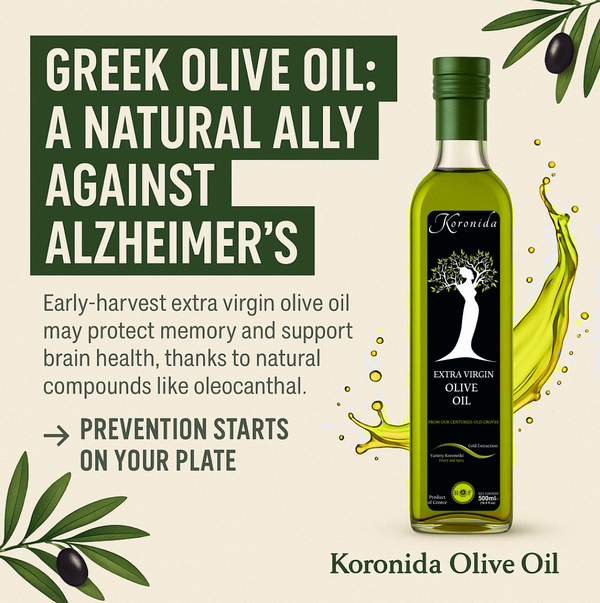
Τα αποτελέσματα μιλούν από μόνα τους: το αγουρέλαιο ξεχώρισε, παρουσιάζοντας υπεροχή σε τρία από τα τέσσερα γνωστικά τεστ, ακόμη και σε σχέση με την ομάδα που ακολουθούσε ισορροπημένη διατροφή χωρίς συγκεκριμένο τύπο ελαιολάδου. Η βασική του δράση φαίνεται να είναι η δέσμευση των ελεύθερων ριζών, προσφέροντας προστασία στα κύτταρα του εγκεφάλου από φθορές που σχετίζονται με τη γήρανση.
Η επιστημονική ερμηνεία εστιάζει σε έναν κρίσιμο μηχανισμό: τον αιματοεγκεφαλικό φραγμό, που λειτουργεί ως φίλτρο μεταξύ αίματος και εγκεφάλου. Σε αρχικά στάδια της νόσου, αυτή η “άμυνα” παρουσιάζει διαρροές. Το αγουρέλαιο κατάφερε να περιορίσει αυτή τη διαπερατότητα, ενισχύοντας παράλληλα τη συνδεσιμότητα του εγκεφάλου – δηλαδή την αρμονική λειτουργία των εγκεφαλικών περιοχών που σχετίζονται με τη μνήμη και τη σκέψη.
Ενδιαφέρον παρουσιάζει επίσης το γεγονός ότι και οι δύο τύποι ελαιολάδου – και το αγουρέλαιο και το πιο ελαφρύ – συνέβαλαν στη μείωση συγκεκριμένων δεικτών που σχετίζονται με την εναπόθεση πρωτεϊνών που εμπλέκονται στην εμφάνιση της νόσου. Αυτό δείχνει πως η ποιότητα του λίπους που καταναλώνουμε έχει σημασία, με τα μονοακόρεστα λιπαρά να αποτελούν κοινό ευεργετικό στοιχείο και στα δύο δείγματα.
Η μελέτη αυτή δεν φέρνει απλώς μια ελπιδοφόρα είδηση. Αναδεικνύει τον πολύτιμο ρόλο που μπορεί να διαδραματίσει η ελληνική διατροφή και ο φυσικός πλούτος του τόπου μας στην πρόληψη ασθενειών που μέχρι σήμερα φάνταζαν ανίκητες. Δεν είναι τυχαίο, άλλωστε, που η ρήση του Ιπποκράτη – «Η τροφή σου είναι το φάρμακό σου» – μοιάζει σήμερα πιο επίκαιρη από ποτέ.